“Beautiful mosaics are made of broken pieces.” ~ Lori Jenessa Nelson
Trauma, grief, anxiety, the events of our lives often leave us feeling like our soul has been fractured. We feel scattered, like shattered pieces of ourselves have been chipped away and flung helter-skelter. We are broken.
No one gets through this life without experiencing devastation and loss. It’s part of the human experience, as much as joy, love and accomplishment. That doesn’t make it any easier. How do we find the strength and courage to pick up these pieces and try to put ourselves back together?
One piece at a time.
“You are not shattered; you are a breathtaking mosaic of the battles you havewon and the love that you are.” ~ Unknown
One broken piece at a time we begin to see where each piece might fit. Even as we grieve for what is no longer whole, we eventually start to try to put our life back together. Of course, what we put back together is not the same. It will never be the same. But it can become a mosaic, a new, functional creation that will have its own beauty.
In my own life, after a profound event, it’s the simple things that start to put me back together. Brushing my teeth, taking a shower. Cup of coffee? Yes, I like coffee. “I’m a person who likes coffee – ah! there’s a piece of who I am. I’ll place it here.” Here’s my cat. Yes, my cat. “I’m a person who likes cats. This piece belongs here.”
And eventually, we get to acceptance of ALL the pieces. Grief? Yes, I’ve felt deep grief. “I am a person who has grieved profoundly. Oh look – this can actually fit here, and it’s part of the whole.” Trauma? Yes, I’ve experienced trauma. “I’ve been a victim of assault. (Do I have to include this piece?) Yes, because look what other pieces fall into place because of your healing. Yes, yes, include it all!”
“We are mosaics. Pieces of light, love, history, stars.Glued together with magic and music and words.” ~ Anita Krizzan
Ultimately the mosaic, like our entire being, is a composite of our entire life, and all of our experiences! We eventually place the good pieces right next to the bad pieces, like complementary colors on the color wheel. Because this is the whole of our human experience. The key is acceptance. If we don’t accept what has happened in our lives, we continue to beat our head against a wall asking “Why?” And the only answer is “Because you are alive, and shit happens.” We are on a planet full of terrible things happening all the time. The odds are we will be affected at some point. When we are, we need to grieve, cry, be angry, feel all the feelings, but then accept; this happened. Only then can the pieces start to look like a new pattern, a new hope.
“The moment that judgement stops through acceptance of what it is, you arefree of the mind. You have made room for love, for joy, for peace.” ~ Eckhart Tolle
Constructing the mosaic of our experience is our life’s work. Sometimes we are re-shattered and must start over, and that mosaic will be different from the last, and so on until our last breath. Our souls were not made to lie scattered on the floor. Our souls were made to guide us to our healing, to our wholeness. Ask for guidance. God will show us where to start. Spirit will help us look back in awe at the mosaic of our life so far, and marvel at the beauty, the aching beauty of it.
“Hold fast to whatever fragments of love that exist, for sometimes a mosaicis more beautiful than an unbroken pattern.” ~ Dawn Powell
It’s a typical day; walk the dogs, do a little work, eat a little lunch. I’m floating along – gently down the stream. Then something knocks me underwater. It could be a text, a phone call, or a triggering news story. I’m sick to my stomach, spiraling inside myself, my heart rate increases, my breathing becomes shallow – and just like that, I’m in survival mode. Will I fight, fly, or freeze? The answer often depends on how quickly I engage one of my life rafts.
In the world of trauma healing, the term “window of tolerance” is important to understand. This is a concept developed by Dr. Dan Siegel, which suggests we have an optimal arousal level within parameters that allow for the ebb and flow of life. So the “window” is this area in the middle, where we can tolerate a certain amount of ups and downs without too much trouble. But certain life circumstances, or triggers, can throw us out of our window. Then we enter states of hyperarousal (fight or flight), or hypoarousal (freeze).
I recently heard Dr. Albert Wong, Director of Somatic Psychology at JFK University, refer to my previous state of mind as being on a “surfboard of stability.” This is being in the window of tolerance. Things feel fairly stable and manageable in life! But this is life, and we will from time to time get knocked off that surfboard.
When this happens, I do what I would do in the ocean, or a lake; I find a life raft to cling to.
Falling out of our window of tolerance, professionals in the field of trauma treatment suggest we compile resources to help us find our way back to a more manageable place. I call these resources my life rafts, and I cling to them when I get knocked off my surfboard.
Resources are varied and individual. You have to try some of them out, keep some, discard what doesn’t work, but it’s crucial that you identify what works and use it! Here are six general categories for you to start lashing together your own life rafts.
People – Form a raft thinking of the people who can help you self-regulate. This could be a trusted friend, maybe a family member, or a therapist. Think of a figure who is protective of you, who has your back, and who listens and helps without judgment. Perhaps you have someone in your life who is a wise mentor, who you can turn to for advice. Or maybe it’s someone nurturing, who will offer tender care and comfort. Make a list of these people in your life. You might have a mental list, but when you write it down and see the support available to you, that alone can be calming.
“I always felt that the great high privilege, relief and comfort of friendshipwas that one had to explain nothing.” ~ Katherine Mansfield
Places – Sometimes a life raft of places, or a place, can provide the resources we need in times of struggle. And they can be real or imaginary! Maybe you have a favorite spot in a neighborhood park, or a view you can get to easily that calms you. It often helps to sit by a body of water when you can, or perhaps you like an indoor place. In my old house, I had a crying hall where I felt held and safe. In my mind, when I’ve needed a safe place, I go to a place from my childhood – it was actually an irrigation ditch, but we called it “the creek.” In my mind I lean against the big oak tree, take in the tire swing, dragonflies, and remember the simplicity of that time. Decide if a place can be a life raft for you. Describe it, and write what it is about it that comforts you.
“Someday you will find that place- a place that provides you peace,brings you serenity, and heals your sanity.” ~ Simran Noor
Grounding Activities – Any activity that helps you feel grounded and centered is a life raft! This could be mindfulness, meditation, yoga, or breathing exercises. When grounding, it’s helpful to actually be on the ground if you can. I once heard a yoga teacher tell us (sitting on the ground) to “wick up” energy and nurturing from the earth. The image of myself as a lantern wick, pulling UP support from the earth was very grounding, and I use it to this day! Grounding activities are good if you’re in hyperarousal as they can help you regulate your breathing, lower your blood pressure, and shift your focus to manageable tasks. For me, grounding is one of the best life rafts I have, and the best part is I can do it anywhere, any time.
“By grounding yourself in mindfulness early in the morning, you are reminding yourself that things are always changing, that good and bad things come and go, and that it is possible to embody a perspective of constancy, wisdom, and inner peace as you face any conditions that present themselves.” ~ Jon Kabat-Zinn
Objects – This is another useful life raft, utilizing familiar or comforting objects that bring you a sense of peace, calm, or even amusement. An object can be anything that helps you stay in the present moment or serves as a talisman or touchstone. It can be anything from a stuffed animal to a treasured rock, a t-shirt, or a piece of jewelry. I have a fused glass necklace with my father’s ashes in it – I wear it when I need to feel his wisdom with me. I have several heart shaped rocks I use, and holding one always grounds me and helps me find my way. Beloved pets can also be life rafts (I would put them on the raft in the People category, but that’s just me!), because they offer unconditional love and often intuitively know when we need them. Gather the objects of your life raft in one place and acknowledge their importance in your healing.
“An object is just an object until you – or someone else –Infuses it with meaning and energy.” ~ Maia Toll
Activities – If you’re in hypoarousal (wanting to curl up in a ball under the covers) it can help to get active. Hypoarousal can feel like you’re in a boat that’s stuck on a sand bar, but the activity life raft can lift your spirits and help you not feel quite so helpless with whatever is going on. It can be difficult to gather up the energy to start, but I encourage you to try! Because getting active in whatever way makes you feel good can be a quick way to return to regulation. Some ideas include music, humming, dance, hike, play a sport you like, or simply create – whether it’s art or yarn or craft projects or home projects – the activity raft can help get you unstuck!
“There is no healthier drug than creativity.” ~ Nayyirah Waheed
Engage your Spirit – Whatever your faith or belief system, the life raft of Spirit can quickly restore balance. When I fall out of the window of tolerance, either into hyper or hypo arousal, centering myself in Spirit offers stability and comfort. For me, turning to the Divine, turning over my feelings of panic or hopelessness, turning over my triggers and fears, is necessary to maintaining my healing. I spend time communing with Spirit, sometimes calling on the ancestors for care and wisdom, and I soon feel that support – the buoyancy of being held up out of the water, where I can breathe, and the knowledge that I will never be allowed to drown. How do you engage your spirit when you’re out of your window of tolerance? What can you rest in that comforts you? Create a simple mantra you can use to engage your soul quickly when needed.
“All through your life your soul takes care of you…your soul is alive and awakened,gathering, sheltering and guiding your ways and days in the world.In effect, your soul is your secret shelter.” ~ John O’Donohue
So, gather your resources. Don’t panic when you fall off your surfboard of stability. These are six ideas to help you get started. Try them out, see what helps. Invent new ones that work for you!
The important part is to have them! If you’re trying to live life and heal trauma without resources, it’s like going camping with no supplies. You will get desperate and ingest things (thoughts, food, drink) that aren’t as good for you.
We call on these resources; people, places, grounding, objects, activities, and Spirit as healthy ways to cope. And we slowly return to our window of tolerance, and float again – merrily, merrily, merrily, life is but a dream.
I’ve seen the term “spiritual bypassing” tossed around a lot lately. Although the term was first coined by psychotherapist John Welwood in the early 1980s, it’s gained public awareness due to a combination of the growing spirituality movement, and also social media quotes and memes. It’s definitely something I’ve experienced and anyone healing from trauma needs to be aware of it.
Spiritual bypassing is defined by Welwood as “a tendency to use spiritual ideas and practices to sidestep or avoid facing unresolved emotional issues, psychological wounds, and unfinished developmental tasks.” Often, people aren’t aware they are sidestepping or avoiding dealing with issues, they truly believe applying spiritual practices solely will provide complete healing. To say “Everything happens for a reason” or “Heaven needed another angel” might give momentary comfort, but it doesn’t deal with, or in any way heal, the kind of deep mental and emotional wounds we suffer in this human life.
As much as I write about including the soul in healing trauma, the key word is “include” which means “involve as a factor.” It doesn’t mean rely on solely! My faith and spiritual beliefs have certainly helped me heal trauma, but they are not enough on their own. I had deep family and relationship issues, traumatic events, and profound grief to deal with. These mental and emotional matters required skilled psychotherapy, and I’m forever grateful to the therapists I’ve worked with over the years. Without their guidance and insight, I would never have made the progress I have!
Soon (literally days) after I was assaulted, a so-called spiritual teacher led me on a guided visualization to a safe space, where she suggested I picture my attacker and offer forgiveness.
I can’t tell you the damage this did. I was young, so of course I put my trust in an older, wiser person. But this was not the time for me to move into forgiveness, delay my rage, and stuff down my hatred. I had been violated and did not feel safe in the world. If I felt rage, I thought “No, this happened for a reason. It will make me stronger.” If I felt unsafe, I thought “No, you need to trust that God will keep you safe.” (Btw, where was God when it happened?) If I felt hatred, I thought “No, I need to forgive.” I thought of myself as spiritual, therefore I had to respond spiritually.
Thankfully, I quickly moved into therapy where my very human feelings were validated. Not just validated, but exhumed, released, and poured out into that safe space. Not only that, but I learned about trauma, trauma responses, PTSD, and that everything I was feeling, or would feel, was a normal response to an abnormal situation. Good therapists teach us about ourselves and the human condition! My healing journey continued with therapy and my only prayer became, “Help me heal.” Later, years later, there was eventually forgiveness, but it was for my own sake, so I could move forward.
Spiritual bypassing can delay deep mental and emotional healing. Unless you work with a skilled therapist to look at your issues head on, spiritual platitudes will only sustain you for so long. According to Gail Andrews, LCSW (@mentallywellish), “Spiritual bypassing is an egoic denial that keeps the trauma pushed down and unattended. When this happens our souls ache and we may even scramble for more spiritual guidance, inspiration and direction. The cycle persists – and the work of the soul is actually denied.”
I don’t know about you, but I can be the queen of avoidance. And I will use spirituality to avoid dealing with issues that confront me. Typical avoidance tools are work, busyness, scrolling, gaming, cleaning, streaming, eating, caring for others – but it’s important to include spiritual bypassing in this list. Are you diving deep into a spiritual or religious practice, only to find yourself empty and hurting when you’re not actively worshipping or praying? This is a clue that you need therapy in conjunction with your practice. Something is remaining unhealed, and to attempt to heal the soul without healing the mind is like wrapping a broken finger without a splint. It will heal, but it could heal straighter and stronger with more effort put into the treatment.
In conjunction with this, there is evidence that spirituality itself can actually have a positive effect on your mental health. Lisa Miller, professor of psychotherapy at Columbia University has done research with brain imaging that recorded how spiritual thoughts effect the brain. The region of our brain that is associated with emotional and sensory processing actually calms when we recall a spiritual experience. What gurus and mystics have always known – quieting the mind, spiritually sitting, praying or meditating – protects our mental health.
I saw a meme recently complaining about people saying “My trauma made me stronger.” Some find this kind of thinking problematic, especially people with CPTSD, victims of childhood abuse. I understand what they mean. It can feel like spiritual bypassing. A better option would be “Healing trauma made me stronger.” It’s not like trauma was a choice. The choice lies in our healing – how we choose to heal, how soon, and how we navigate moving forward. My hope is that we continue to find the overlaps and helpful tools within therapy and spirituality. For me, working these two paths together was necessary in healing trauma – doing one without the other would have delayed my growth, both as a person and as a soul.
Do you have experience with this? What are your thoughts about this topic?
“Your sacred space is where you can find yourself again and again.” ~ Joseph Campbell
Whatever is sacred to you can move you toward your truest self. It can open you to discover your truest purpose. Entering into a sacred space allows you to stop distracting yourself with the stuff of life, and center on what is important, and what is healing.
I’ve found this to also be true of psychotherapy. A course of therapy with a gifted clinician is an absolutely sacred act. It is intimate. It is soul-baring. It is getting to the raw marrow of your life and learning how it made you, and also what you may become. A good therapist helps you activate your own capacity to heal.
Before I go further into this, please know if you have suffered any abuse while in therapy or with a counselor of any kind, this article will obviously not speak to you. I wish you deep healing from any situation of that sort. I am honoring good therapy and therapists, and hoping that those thinking about going to therapy will be encouraged.
Entering into a sacred state is, to me, what we do when we start a journey into psychotherapy. We come into presence with another entity whose sole purpose is to receive us unconditionally, look at our wounds with compassion, offer tools and comfort for healing, and encourage us to see ourselves as worthy and capable. In many ways, therapy is teaching us to see ourselves as God sees us, and use that vision to effect change.
Therapy, to me, can be likened to a sacred act in these ways: it requires a safe space, trust, ritual, and surrender.
“The soul is the sacred space where my head and heart meet, where God lives.” ~ Brene Brown
A good therapist creates a safe and sacred space where the client feels able to be open and honest. Your stories are safe with your therapist. (They are only required to share information if they determine you are a danger to yourself of someone else.) Stepping into your therapist’s office should feel like stepping into a sanctuary, where you are accepted exactly as you are. This feeling takes time to build between client and healer, but once established, it becomes a space with its own energy and dynamic that exists only between the two of you. Perhaps like your own private relationship with God, this safe space is where you find relief and release.
This safe space is not established without trust. Trust, of course, takes time, and is built by your therapist truly listening, remembering from session to session what you’re working on, and also being clear with boundaries for both of you. There must be a solid foundation of trust for real therapeutic work to take place. One of the ways therapists build trust is with almost a sacred contract, that during your time together they will be reverently dedicated to you and your healing. Like a prayer, you can lay your burdens down and trust you will be supported in your struggle.
“Ritual cuts through and operates on everything besides the ‘head’ level.” ~ Aiden Kelly
Therapy also has a ritual aspect to it that rings of something sacred. The same time, each week, is set apart for the specific activity of healing the self. New things are brought and discussed and discovered, but the time, the space, the people are the same and that sameness also builds the trust and feelings of safety so crucial to the ability to be open and honest with your therapist. Keeping the routine, trying to keep the appointment at the same time and day each week is an important ritual. Ritual helps us relax into the unknown by providing solid ground to rely on.
“There is no greater agony that bearing an untold story inside you.” ~ Maya Angelou
Finally, surrender is crucial, both in therapy and in the realm of the sacred. We know when life brings us to our knees in total surrender, that is where we often find God. We surrender to the process life has in store for us and give our troubles over to be healed, our weary souls to be soothed. So it is in therapy. We surrender the hidden, the unspeakable, the ugliest memories, the darkness. We speak it out loud so it may be heard and healed. By giving it over, and giving it a voice, it becomes manageable. But not until we surrender it into capable hands. Surrender brings relief.
If you’ve worked with a good therapist, I’m sure this resonates with you. If you’ve been thinking about entering therapy, that’s a good sign that you should explore it. And if it helps you to think of it as a sacred act you can do for yourself, to bring yourself closer to a healed vision you’re holding onto, then enter that sanctuary and exhale. Breathe out what you’ve been holding and find healing.
Because I survived trauma, I often find it hard to sleep.
Because I survived trauma, I double check all the windows and doors and lock them, even in the middle of the day, with two large dogs, just to take a shower.
Because I survived trauma, I jump at sudden noises and movement.
Because I survived trauma, I sometimes wake my husband in the middle of the night groaning in a night terror.
Because I survived trauma, please don’t ever jump out and surprise me because I will leave my body for a while.
Because I survived trauma, it is sometimes difficult to completely relax or feel safe – anywhere.
Because I survived trauma, there are times I will cry and mourn for who I was before; the person who felt safe in the world.
Because I survived trauma, my moments of joy are dampened with caution.
Because I survived trauma, I sometimes fluctuate between being hyper-alert, and numb.
AND
Because I survived trauma, I found inner strength I wouldn’t have found otherwise.
Because I survived trauma, I learned about healing and courage and grace.
Because I survived trauma, I discovered that forgiveness really was something I had to do so I could move on.
Because I survived trauma, I viscerally realized that anger could be a healing agent when used correctly.
Because I survived trauma, I turned to God in a more profound way than I ever would have without it.
Because I survived trauma, I assembled a toolbox of meditation, spirituality, journaling, therapy, and mindfulness that helped me survive other, lesser traumas in my life.
Because I survived trauma, I made the surprising discovery that service to others is a powerful balm for traumatic wounds.
Because I survived trauma, the tools of self-awareness, self-compassion and self-care are at the forefront of my daily ritual. I deserve nothing less.
Because I survived trauma, I changed the course of my life and sought to teach and inspire and empower young people.
Because I survived trauma, I became an alchemist, transmuting the bad that had happened to me into a fireball of motivation to live well in spite of it.
Because I survived trauma, I gained wisdom I wouldn’t have learned any other way.
Most profoundly, because I survived trauma, over time, I gave birth to a deeper version of myself.
“Life is a balance between what we can control and what we cannot. I am learning to live between effort and surrender.” ~ Danielle Orner
I have lived a while, and I’m wise in many ways, but being human means I struggle with finding balance every single day. Being spiritual, living on the Earth in 2021, constantly barraged by media, social media, and bleak news in the midst of a global pandemic, balance often eludes me. And I see it in those around me, as well. We are, after all, in this together.
But I know that without balance, I will fall into depression. If I’m only turning toward the flash, the shock and awe, I miss the constant glow of the Divine. And that is where my saving grace abides! So how do we find balance? How do we avoid the abyss?
So many of my friends have expressed in the past few years how difficult it’s been to stay informed, but not drink from the firehose. We’re concerned about so many issues right now, and as the world has become more accessible to individuals, it means we also know more. There is more to be concerned about, more to feel compassion for, more to make our hearts heavy. How do we fall asleep at night knowing what we know? Covid, Syria, climate change, school shootings, earthquakes, homelessness, floods, uprisings, unstable governments – I could fill this page. And of course, it’s important to stay informed, but it’s also important and appropriate sometimes to turn away.
I don’t mean completely turn away from pain and suffering, especially if you can help. What I mean is it’s crucial to turn your thoughts away sometimes so your heart can remember its essence, so your soul can recover and reboot. Think of the news or doom-scrolling as ice cream. You can only have so much before you start to feel sick.
“Do not wait for leaders: do it alone, person to person. Be faithful in small things because it is in them that your strength lies.” ~ Mother Teresa
I had a day recently of feeling so angry. In our county, we had been doing better with Covid, but then the Delta variant showed up, the vaccine breakthrough cases were starting to be of concern, and we had to end and cancel several events and gatherings as our county reinstated a mask mandate. I was so angry that some people’s choices were impacting the quality of life for so many, and even causing illness and death. I was so very pissed off!
Anger is certainly warranted in many situations, and just because I call myself spiritual doesn’t mean I can’t get angry – anger is part of the human existence – but I also know that staying in a state of anger helps no one. I stumbled through the rest of that day, but the following morning my rested mind returned to the three things that help me find equilibrium again when I’ve turned toward the suffering in the world for too long with no counterbalance.
The first of these is gratitude. Yes, it’s been said before but it really is true and it really does work. Putting myself in an extreme state of gratitude helps me let go of bitterness, pettiness and even rage. When I think of the things I’m most grateful for (my home, my husband, my son, my sister-friends) I feel my heart and soul start to reset. I turn toward gratitude and breathe it in.
“If you go off into a far, far forest, and get very quiet, you’ll come to understand that you are connected with everything.” ~ Alan Watts
The second is nature. Spending any time in nature actually effects stress hormones, and helps us appreciate what is good in this world. Even if you don’t have a beautiful yard or outdoor area, just a local park or community garden can help you connect with the natural world and ground yourself. Sitting outside at night, spending time with the moon and the stars, realizing how small we are in the vastness of the universe is also healing. Play with your pets, nurture your plants, dig in some dirt, watch an ant colony at work – you will feel balance creeping in as you turn toward the miracles around you.
The third is to remember who you are as a spiritual being, a child of the Universe. My mantra the past few years has come from Ram Dass. “I am loving awareness.” When I am angry, frustrated, distraught with the world, chaotic within myself, this phrase brings me home. Sitting quietly, focusing on the breath and repeating this to myself, I remember my essence. I begin to feel filled with spirit rather than fear.
My job is not to fix the world, but to fix myself so I may better serve those around me. I cannot do that if I am out of balance. So some days I will turn away from the suffering and turn toward the love and grace of God, because I cannot be of help if I’m upset – I cannot pour from an empty vessel. Together, may we find balance moving forward. The world needs us to.
“If you restore balance in your own self, you will be contributing immensely to the healing of the world.” ~ Deepak Chopra
“Happiness lies not in finding what is missing, but in finding what is present.” ~ Tara Brach
As we all deal with a global pandemic in our own individual ways, one fundamental seems to bother us the most — a loss of freedom. We are constricted in our work, our play, even within our families and friends there is restriction. Compounding feeling restricted and tight and broken and crazy we are told to wear masks if we have to go out. The masks are also restricting and sometimes tight and add to the claustrophobia burgeoning in our minds. But we wear them – because not wearing them is irresponsible to humanity on a profound level.
So, hopefully, we choose to wear masks. We choose to be part of the solution, not part of the problem. We choose to recognize the tireless work being done by our essential workers and we don’t want this virus to make their lives more difficult, take the lives of those we love, or linger one second longer than it has to.
However, behind this feeling of loss of freedom, the human spirit amazes me in its resilience. Many people are responding to being bound by finding new ways to express, to work, to play, to go beyond, reaching out to help others, even as we feel our hands are tied!
Why do we do this? What causes us to rise? I believe it’s similar to the law of “survival of the fittest,” but in this case, it’s the human spirit that evolves and adapts to crises. The human spirit that sees the chaos we are living in and instead of giving up, rolling into a ball and having a pity party says, how can I help my neighbor? We are inspired by those who have overcome trials before us, and we are inspired by those we see around us choosing to live and be present and helpful to others.
Behind the mask of loss of freedom, we are realizing the choices we DO have.
“I am not what happened to me. I am what I choose to become.” – Carl Jung
Yes, we do have choices within the midst of this pandemic. These are individual, intrinsic choices and are not buffered by outside circumstances. Each morning, as we face another day of sheltering in place, let’s try to realize the choices we do have.
We can choose to be in the present moment. This is a perfect opportunity to learn and practice mindfulness. Yes, we have a lot of time on our hands to dwell on the past, but we know that never makes us feel better. And for maybe the first time in our lives, we are unable to make plans or see too far into the future. So let each day be enough. Let each moment be enough.
“Mindfulness is a pause — the space between stimulus and response: that is where choice lies.” – Tara Brach
As Tara Brach says in this quote, that is where choice lies. Will we react, or will we take the pause, fully realizing what we can and cannot control, and then responding with better awareness? Choosing the present moment relieves the stress of asking questions for which we currently have no answers. Be present with yourself. Be present with someone you care about. Be present with your work. Breathe space into your day.
We can choose self-compassion. We may be feeling less productive right now, overwhelmed, exhausted, frustrated, angry and hopeless. This is all completely valid and, I dare say, normal under these unique circumstances. We must realize that we are living through unprecedented times in terms of the pandemic, the #blacklivesmatter movement, and the political landscape. The psychic toll on our spiritual, physical, emotional and mental well-being cannot be overstated. People are fighting for their lives, fighting for their livelihoods, and we are all frightened. The universal energy of that is felt on some level by us all.
“A moment of self-compassion can change your entire day. A string of such moments can change the course of your life,” ~ Christopher K. Germer
We must learn to practice self-compassion. Give yourself a break. If you spend a day in bed, so be it. Giving yourself breathers is not only good for your mental health, it is a necessary part of surviving this time. Let go of judgment. Let go of your inner critic. Tune in every day to your body and mind and ask it, “What do you need from me today? How can we best serve each other?” Listen and honor what comes up. Choose to nurture yourself.
We can choose to rise. Choosing to rise sounds difficult, and it can be. However, if you’ve ever overcome trauma in your life, you have already done this. You’ve taken the trauma and decided that it will not define you and it will not hold you down. You rose above the grief, the loss, the PTSD, the abuse, the despair, to become better and stronger. Or perhaps you are on that path now and even though it feels daunting, something keeps pulling you up that mountain.
“With everything that has happened to you, you can either feel sorry for yourself or treat what has happened as a gift. Everything is either an opportunity to grow or an obstacle to keep you from growing. You get to choose.” ~ Wayne Dyer
Each day, let us have the courage to choose to rise. We have the ability within us to rise above our outer circumstances, to find the coping mechanisms we need to get through this, and we have the resilience to not only get through this, but grow through this. Believe in your ability to rise. Look to the people throughout history who have done so, and join that choir. Rise. Rise above.
“Just like moons and like suns with the certainty of tides, just like hopes springing high, still I’ll rise.” ~ Maya Angelou
We can choose to be of service. Nothing will get you out of your own head bust you out of self-pity like helping others. You don’t have to risk getting sick by leaving your house; reach out to people you know. Drop a card, give a phone call, or a text or email. Check-in with people, especially those who are alone. Sew masks if you can, deliver a meal to some essential workers, get groceries for your neighbor. There is something we all can do, and it beautifully adds to the energy of community and lessens the energy of divisiveness.
“Small acts, when multiplied by millions of people, can transform the world.” ~ Howard Zinn
We know we are living through a time of profound change on the planet because we are living through a collective trauma. Nothing brings about radical change like trauma. No country or people have been untouched by this pandemic. It is causing trauma on a personal, societal, and global level. But have hope. Look at your own life. Didn’t trauma bring about the highest understandings and the deepest shifts? But not without choice. Not without choosing to take the trauma and transmute it into something useful, something better.
We are all alchemists right now. Let’s see what we can do, what choices we can make, to help humanity rise and survive.
“We are whole: our deepest happiness is intrinsic to the nature of our minds, and it is not damaged through uncertainty and change.” ~ Sharon Salzberg
“The paradox of trauma is that it has both the power to destroy and the power to transform and resurrect.” – Peter A. Levine
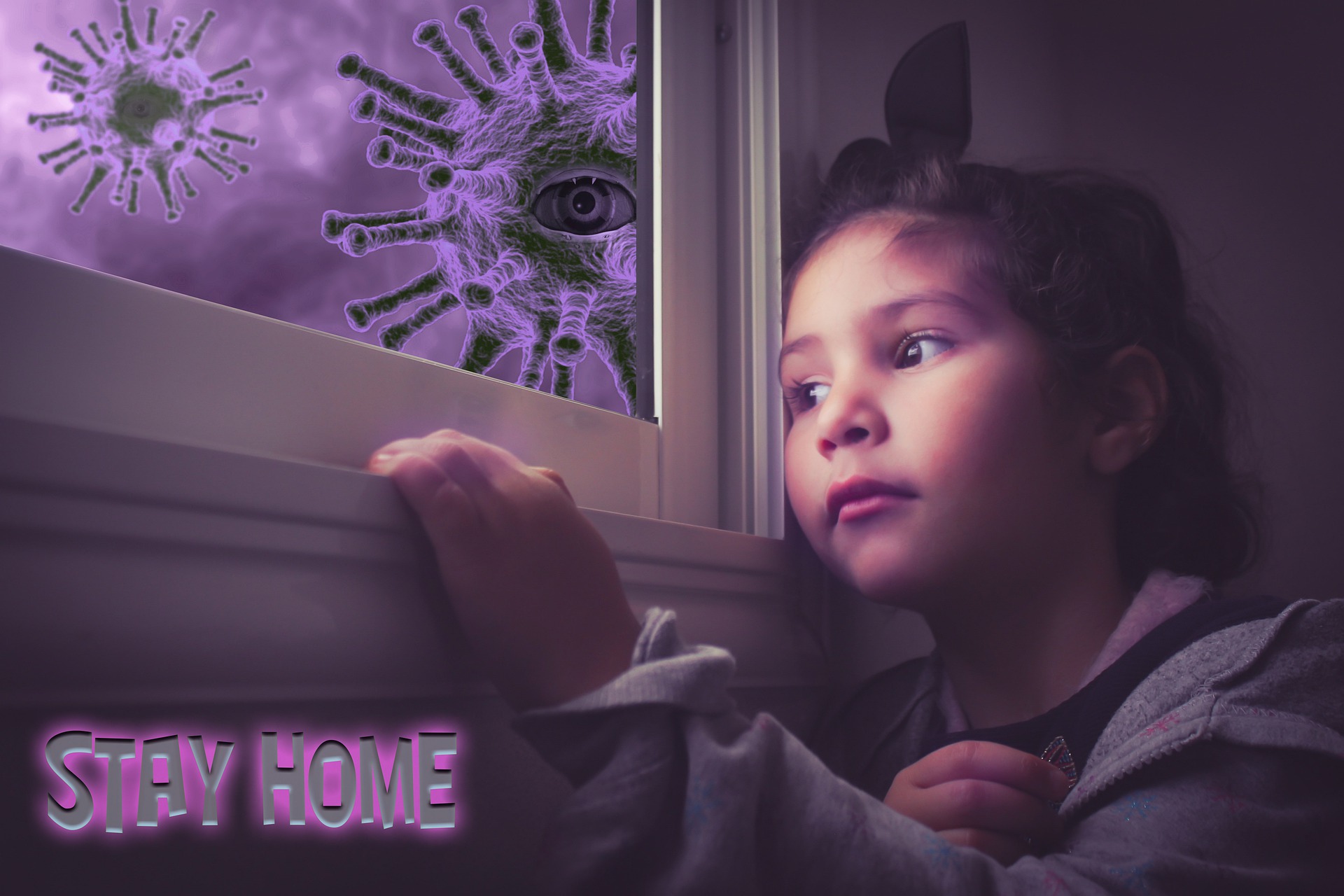
Lately, I’ve been conscious of trauma as it applies to society. Due to the outbreak of Covid-19, the world is currently in a state of collective trauma. Collective trauma refers to the psychological reactions to a traumatic event that can affect an entire society. For most of us, our daily way of life has drastically changed in the last few weeks. Freedoms and income have been reduced, and we are in a constant low-grade state of fear.
When a society experiences a collective trauma, such as 9/11, mass shootings, natural disasters, etc., our routines and relationships, those things that anchor us to our society are disrupted in such a way that it can leave us struggling to reclaim the purpose of our lives. In some ways, this can lead to a positive re-prioritizing of what is truly important. In other ways, it can leave us grasping for meaning and feeling hopeless.
For those of us already dealing with PTSD, this collective trauma can trigger other traumas to rise to the surface. We may find we are having trouble sleeping, nightmares, generalized anxiety, or hyper-vigilance may be rearing their heads again. Others may find they are having a surprisingly calm reaction to all this, as being in a trauma state is not strange to us, and we feel able to function in this state better than others.
Traumatic events can trigger past traumas, and who among us has not experienced some level of trauma? So we as a society have this huge collective trauma andour own historical traumas slamming us all at once. It’s a lot to deal with and process! And we’re confined either with partners, family, friends, or alone. Being alone can be most challenging as there is no distraction from your own thoughts.
If you’ve been feeling some of this, the dis-ease that has been engendered by this disease, there are practices you can undertake to ease the trauma response. We must regularly engage in self-care, find comfort in spiritual practice, stay connected to our tribe, and begin to reframe our relationship to historical trauma.
“Radical self-care is what we’ve been longing for, desperate for, our entire lives – friendship with our own hearts.” ~ Anne Lamott
Self-care is the best thing you can do for yourself right now. Stay centered and grounded as much as you can in whatever way works for you. Exercise, yoga, meditation, bubble baths, reading, and creative expression will connect you to your center. We cannot face this event coming from a place of scattered emotions and thoughts. Limit your news to a single check-in every day to keep from going down the black hole of information saturation. Go outside and find a place to connect to nature. None of these things cost money and can help you find some balance amidst the chaos.
If you have a spiritual practice, there is no better time to enhance and build upon it. Read, study, pray, and fill your soul with comfort, fill your mind with faith. Read the inspired words of those who have overcome darkness. Viktor Frankl, Elie Wiesel, and Mother Teresa, for example, are inspiring in their ability to hold onto faith in the midst of great suffering. Turn to your spiritual practice at this time to help you hold onto your faith, and to get a glimpse of the big picture. The world has survived many traumas and will survive this one as well.
“Between stimulus and response there is a space. In that space is our power to choose our response. In our response lies our growth and our freedom.” ~ Viktor E. Frankl
In these times, we must find a way to stay connected to our tribe. Facetime, Zoom, Marco Polo, social media and good old fashioned phone calls are our life-lines now. Resist the urge to isolate, to avoid the changes we’re all adjusting to, and reach out. Write letters, send cards, connect with people you’ve been meaning to re-connect with. You have time, and everyone needs to hear from the people they treasure.
Lastly, start to reframe your relationship to historical trauma. If we are here, we have survived trauma, personal, ancestral, historical, and collective. This means we are resilient and we have developed coping skills that not everyone has. We know how to self-calm, self-care, rise above, forgive, and even help others. Build on the resilience you’ve developed thus far! We are strong, flexible, wise souls and our energies are needed in this crisis.
“We can make ourselves miserable or we can make ourselves strong. The amount of effort is the same.” – Pema Chodron
We are in a state of collective trauma. So let us attempt to join in collective healing, first by taking good care of ourselves, then by contributing to healing the energy of the planet. We all need the energies of compassion, positivity, balance, and calm right now. Let’s practice this in our daily lives and see what healers we are.
“The sooner we heal our traumas, the sooner we liberate ourselves from the people who hurt us. By hating them, we hold onto them. We cannot heal.” – Vironika Tugaleva
As I have studied, learned and written about healing trauma, I find I’m guilty of assuming that if you have been through trauma, you must want to heal. I forget that some souls perhaps don’t want to look at it, deal with it, or get better; at least, not now. I forget it until I’m face to face with such a person and I realize they are still holding onto a trauma from long ago – sometimes decades ago.
I used to wonder “What are they getting out of it? What’s the payoff?” Which sounds cold when you’re talking about a trauma survivor. But this is the thought I jump to when I see someone not making progress years after trauma. In reality, it’s far more complicated than my question, and of course, the reasons are as individual as we are. So in digging a little deeper, I found the reasons for holding onto trauma fall into three large categories (with many sub-categories).
The thought processes are basically the following:
Moving past trauma lets the person who caused it off the hook.
Moving past trauma means I can no longer be let off the hook.
Moving past trauma means I will have figure out who I am if I’m not suffering.
These are not light issues, not light thoughts. They are huge and overwhelming and no wonder people are often reluctant to confront these feelings! Let’s dive deeper.
“Moving past trauma lets the person who caused it off the hook.” This thought is often accompanied by other, related thoughts. If I forgive, then they’ll think they didn’t really hurt me. If I move past this and become stronger and more resilient, they’ll think their actions had no effect on me. If I forgive them, I’m weak.
The reality check to this thinking is part logic, part spirit. Logically, we have no idea what another person thinks of us, even they treat us poorly it’s more about them than what they think about us. And when we second-guess others’ thoughts and motivations, we give them even more power over us, thereby remaining stuck in the past. Spiritually, forgiving and moving on is something we do for ourselves, not for them. The longer we hold onto anger and withhold forgiveness, the longer we are in a state of inertia that we perpetuate. We don’t let anyone off the hook by moving past trauma – we break the chains that are keeping us in a dark place, so we can begin to climb to the light.
“Forgiveness is not always easy. At times it feels more painful than the wound we suffered, to forgive the one that inflicted it. And yet, there is no peace without forgiveness.” ~ Marianne Williamson
“Moving past trauma means I can no longer be let off the hook.” This second reason people might hold onto trauma is pretty insidious. Sadly, some of us find that in sharing our trauma we are seen as a victim, and people around us can start to let us off the hook. If we have certain unmet needs inside us, this can feel pretty good. It also gives us valid reasons for not fully dealing with people and situations in our life. We can start to use it as a way to avoid life, people, and in the worst cases, work and responsibility. I think all of us who have gone through trauma have been through phases of this. With therapy and hard work, we usually get past it.
The reality check to this thinking is realizing that again, you’re giving the trauma and whoever you associate with it, the power to keep you from fully engaging in life. Every time we use it as a way to avoid life, we empower the trauma, not ourselves. I’m not talking about the times we need to practice PTSD self-care and carve out safe, quiet time. If we’re honest with ourselves, we know the difference between self-care and avoidance. And if we’ve really gone down a dark path and avoid work and responsibilities, it will undoubtedly cause people who care for us to have to pick up the slack or bail us out.It’s so important to take an honest look at how our healing impacts others, usually our family. If we have avoided therapy, or are playing on being a victim, not a survivor, we are denying our full and beautiful light from coming forth. Our inner wells of strength and faith are deep, so turn this fear over to God so we can truly conquer trauma, and not live it again every day.
“We can make ourselves miserable or we can make ourselves strong. The amount of effort is the same.” ~ Pema Chodron
“Moving past trauma means I will have to figure out who I am if I’m not suffering.” This thought manifests as many different thoughts that allow the trauma to define you. I’m a person who was profoundly hurt. Trauma is my identity, therefore in my pain I feel safe. We naturally do identify with being a victim of trauma initially. This should fade and assume a back-burner position in a healthy identity as we heal.
If it doesn’t, as a therapist I once knew said, “It doesn’t feel good, but it feels familiar.” We know how to play that part, so we play it because it’s comfortable, it’s easier, and we’re tired. But the danger, the reality check in this thinking, is that you’re once again giving your power to the trauma, not the recovery. You’re living a role, an identity, that was forced on you, not one you’ve chosen for yourself. Your true spirit, your true nature is on that back-burner. Invite it to come forward, try to open yourself to what the Universe has for you next. When you put a foot on this path of letting that old identity go, new possibilities will unfold!
Healing trauma is rich, unrelenting, exhausting, and rewarding. There are so many modalities now to deal with PTSD – therapy, EMDR, tapping, and of course, I believe, taking God with you every step of the way can only enhance your experience and restore your faith more quickly. So who could you become as you move past trauma?
We can only know when we begin to climb out of the quicksand. Staying stuck can only pull us down into depression, health issues, addictions and more. Healing is the process of getting un-stuck, of creating movement, of creating energy to move, of letting go.
“People have a hard time letting go of their suffering. Out of fear of the unknown, they prefer suffering that is familiar.” – Thich Nhat Hanh
“Be kinder than necessary. For everyone you meet is fighting a hard battle.” ~ Plato
This often-quoted statement from Plato is such a wonderful reminder to us to try to be kind, always. It’s so true – if you scratch the surface of anyone you meet, you will find wounds and hurts. Some of us have deep battle scars that make us lash out at others or not behave as our highest self.
So compassion is key. None of us truly know the history or inner workings of anyone else. Not even loved ones we have spent decades with. We might know them well, but we can’t know how their deepest scars might affect their daily life. Compassion is key. We may not understand why someone is behaving a certain way or made choices we find confusing or even hurtful. But if we can remember that they have inner wounds and battles that are causing them to make these choices, we can find compassion.
It is sometimes (often) challenging to find compassion for others, especially people we don’t truly know. Our own loved ones are easier to have empathy for, as we have a better understanding of their battles. So it’s curious that we often have trouble finding compassion for ourselves.
“The real difficulty is to overcome how you think about yourself.” ~ Maya Angelou
Maya Angelou hit the nail on the head. If we can overcome how we think about ourselves, we can soar! Our own self-condemnation, judgment, and doubt often obscure our ability to love ourselves. If we can truly overcome how we think about ourselves, we can find a freedom and sense of security in the world.
I’ve done a lot of work in my life in the field of self-esteem. I’ve worked on it for myself and with countless students as a counselor. Low self-esteem is a core issue for many, many people, formed often in childhood, reinforced by life events, and carried around inside us like a little alien, ready to pop out and ruin our day at the slightest whim! And we know, deep down, that it IS an alien – it doesn’t belong. Because we are beings of Light, children of God, purveyors of Love! That is our truth, but our thoughts, our ego mind, block our true vision.
“I found that there is only one thing that heals every problem and that is: to know how to love yourself.” ~ Louise Hay
Learning to love yourself and be compassionate toward yourself, and your great lumbering, mistake-filled life, is an ongoing process. A life-long process! But something I have found helpful is to try to see myself as God sees me. I try to imagine what God must think of me.
This could be scary to contemplate but think of it this way. If God is the Beloved, the Divine Spark, the profound Love of the Universe, God cannot help but see me with compassion and understanding and forgiveness. God, in this sense, truly is a parental presence.
If you have children you know this well. No matter what your children do as they grow, even as adults, you see that they are still learning and most often doing the best they can. Even when they make mistakes we continue to love them and help them right their sail again. We have compassion for them so easily because our heart is full of so much love for them and it is constant.
So it is with God. God’s love is so all-encompassing that compassion, understanding, and forgiveness are the natural state of God’s relationship to us. And if God is IN us and we are, indeed, God, or OF God, then that profound love for ourselves is available at all times, if we but ask.
“If you saw you as God sees you, you would smile a lot.” ~ Neale Donald Walsch
You have survived trauma in your life, you are healing, you are hurt, you make mistakes, you do things right, you seek help, you avoid help, you try to help others, you are sometimes selfish, you give too much love, you withhold love. You are human.
Now imagine this: God and all of your angels and guardians are amazed that you would choose to learn these lessons so profoundly and so deeply in this life. They are stunned by your courage. They wrap you in compassion nightly, hoping to heal you with enough light to carry you through the next day. God holds you constantly in the heart of Love, amazed at your determination to heal and give compassion to others. You are an astonishment!
So today, practice giving this compassion to yourself. Love yourself. Honor your growth. What does God think of you? God thinks you are a tender, growing soul, deserving of Good, fighting hard battles, and trying to grasp the extreme profundity of Love. Rest in that.
“I wish I could show you when you are lonely or in darkness the astonishing light of your own being.” ~ Hafiz




 Victoria McGee, M.A.