How Faith Helps Us Build Capacity

Image by StockSnap via Pixabay

“I found it strange, yet perfectly balanced, that I needed my wounds to heal my faith, and my faith to heal my wounds.” ~ Rumi

Building capacity has become a buzz-word within organizations the last decade, seeping into other areas like physical and mental health. When I first heard the phrase about ten years ago, I found it confusing, seeing the word “capacity” as a measurement of volume! Of course its root is the word “capable” and that’s what helped me get less confused. Building capacity means building capability.

Formally, capacity building is the process of developing the skills, knowledge, tools and resources an individual or organization needs to be able to function effectively, sustainably, and adapt to change. This applies to constant growth and learning, challenging yourself and reflecting on your progress. I think, most importantly, it’s about developing resources. One of those resources for me is my faith.

It’s tricky when we seek to blend faith with mental health.  Previously, both Freud and Skinner disparaged reliance on religion or faith, seeing it as a weakness. However, research is showing that for some, a spiritual belief system is not just important to their mental health, it just might be an undervalued resource.

In the Handbook of Adult Resilience (edited by John W. Reich, Alex J. Zautra, and John Stuart Hall, 2010), researchers note “(Religion) may establish a foundational meaning system that orders the individual’s understanding of the universe and particular events.” In other words, our faith can help us make sense of events, perhaps leading us to meaning-making sooner rather than later when we go through dark times.

One criticism of faith held by Freud was that it was a crutch, something people leaned on to avoid meeting an issue or catastrophe head on. However, in the Handbook of Adult Resilience, a summary concludes, “These studies make clear that religious people do not generally bury their heads in the sand or wait helplessly for someone else to solve their problems. In contrast to these stereotypes, the empirical evidence suggests that religious people are generally actively engaged in dealing with their personal tribulations. Moreover, their religiousness may enhance such efforts.”

“When we reach the limits of our own strength, and courage, something unexpected happens. We find reinforcement coming from a source outside of ourselves. And in the knowledge that we are not alone, that God is on our side, we manage to go on.” ~ Rabbi Harold Kushner

The research also showed positive results in aspects of resilience and in spiritual transformation. They found that as these resources of faith sustained people in times of trouble, their certitude that faith is a valuable tool grows. In short, people showed that faith strengthened stress-related growth! Faith actually helps us build capacity. It helps us deal, and it helps us adapt, and it helps us grow.

I only cite these findings to uphold my own personal experience. That when I’m literally brought to my knees by life events, I have found my faith to be a source of comfort and strength, simultaneously being held AND pushed to grow!

In our old house, there was a short hallway with closets on both sides between the primary bedroom and the bathroom. Three times in my life I have completely surrendered in that spot, wailing with grief and anger and despair. Even after we remodeled that area, I went to the same spot, because it had been sanctified by my tears. My complete surrender, (dumping out all the emotion, crying out to God all the questions and all the accusations and all the anguish), cleansed my spirit and allowed a kind of grace to come in that wasn’t possible when I was holding so tightly to my desolation. Then, my faith begins to comfort me.

Where do I find faith? Personally, I find it in writings from great spiritual teachers, and in nature. You might find it solely in the Bible or the Koran, or wherever your heart is touched. If you have trouble with religion and faith feels elusive, turn to nature. Nature continues despite everything. Seeds become trees, insects busy themselves composting and pollinating, mountains stand for centuries. There is comfort in that continuation. You, also, will continue.

As a child, my family would often go camping in the Rocky Mountains in Colorado. I remember even as a little girl being so in awe of the grandeur of the mountains and the perfection of nature. I felt one with the earth and the nature surrounding me. It gave me knowledge I have carried with me; that things may go horribly wrong, there may be enormous grief, or earth-shattering trauma, but if I am of nature, I will persist.

When I look back over my life, I see how I constantly, sometimes subconsciously, kept building that resource of faith. Bad things do happen to good people. Bad things just happen. Faith can help us through those times and become a reliable tool in our box of resources. I just have to remember to bring that tool out first, and it will support my other resources on the journey.

Every time we face a difficulty we have a choice. The opportunity is there to build capacity and to develop belief in our own capability to deal, adapt, and grow. I encourage you to bring faith into that process.

“People who pray for miracles usually don’t get miracles, any more than children who pray for bicycles, good grades, or good boyfriends get them as a result of praying. But people who pray for courage, for strength to bear the unbearable, for the grace to remember what they have left instead of they have lost, very often find their prayer answered.” ~ Rabbi Harold Kushner

The Mosaic of a Fractured Soul

Image by LoggaWiggler from Pixabay

“Beautiful mosaics are made of broken pieces.” ~ Lori Jenessa Nelson

Trauma, grief, anxiety, the events of our lives often leave us feeling like our soul has been fractured. We feel scattered, like shattered pieces of ourselves have been chipped away and flung helter-skelter. We are broken.

No one gets through this life without experiencing devastation and loss. It’s part of the human experience, as much as joy, love and accomplishment. That doesn’t make it any easier. How do we find the strength and courage to pick up these pieces and try to put ourselves back together?

One piece at a time.

“You are not shattered; you are a breathtaking mosaic of the battles you have won and the love that you are.” ~ Unknown

One broken piece at a time we begin to see where each piece might fit. Even as we grieve for what is no longer whole, we eventually start to try to put our life back together. Of course, what we put back together is not the same. It will never be the same. But it can become a mosaic, a new, functional creation that will have its own beauty.

In my own life, after a profound event, it’s the simple things that start to put me back together. Brushing my teeth, taking a shower. Cup of coffee? Yes, I like coffee. “I’m a person who likes coffee – ah! there’s a piece of who I am. I’ll place it here.” Here’s my cat. Yes, my cat. “I’m a person who likes cats. This piece belongs here.”

And eventually, we get to acceptance of ALL the pieces. Grief? Yes, I’ve felt deep grief. “I am a person who has grieved profoundly. Oh look – this can actually fit here, and it’s part of the whole.” Trauma? Yes, I’ve experienced trauma. “I’ve been a victim of assault. (Do I have to include this piece?) Yes, because look what other pieces fall into place because of your healing. Yes, yes, include it all!”

“We are mosaics. Pieces of light, love, history, stars. Glued together with magic and music and words.” ~ Anita Krizzan

Ultimately the mosaic, like our entire being, is a composite of our entire life, and all of our experiences! We eventually place the good pieces right next to the bad pieces, like complementary colors on the color wheel. Because this is the whole of our human experience. The key is acceptance. If we don’t accept what has happened in our lives, we continue to beat our head against a wall asking “Why?” And the only answer is “Because you are alive, and shit happens.” We are on a planet full of terrible things happening all the time. The odds are we will be affected at some point. When we are, we need to grieve, cry, be angry, feel all the feelings, but then accept; this happened. Only then can the pieces start to look like a new pattern, a new hope.

“The moment that judgement stops through acceptance of what it is, you are free of the mind. You have made room for love, for joy, for peace.” ~ Eckhart Tolle

Constructing the mosaic of our experience is our life’s work. Sometimes we are re-shattered and must start over, and that mosaic will be different from the last, and so on until our last breath. Our souls were not made to lie scattered on the floor. Our souls were made to guide us to our healing, to our wholeness. Ask for guidance. God will show us where to start. Spirit will help us look back in awe at the mosaic of our life so far, and marvel at the beauty, the aching beauty of it.

“Hold fast to whatever fragments of love that exist, for sometimes a mosaic is more beautiful than an unbroken pattern.” ~ Dawn Powell

Victoria McGee

09/09/25

Therapy as a Sacred Act

Image by Benjamin Balazs from Pixabay 

“Your sacred space is where you can find yourself again and again.” ~ Joseph Campbell

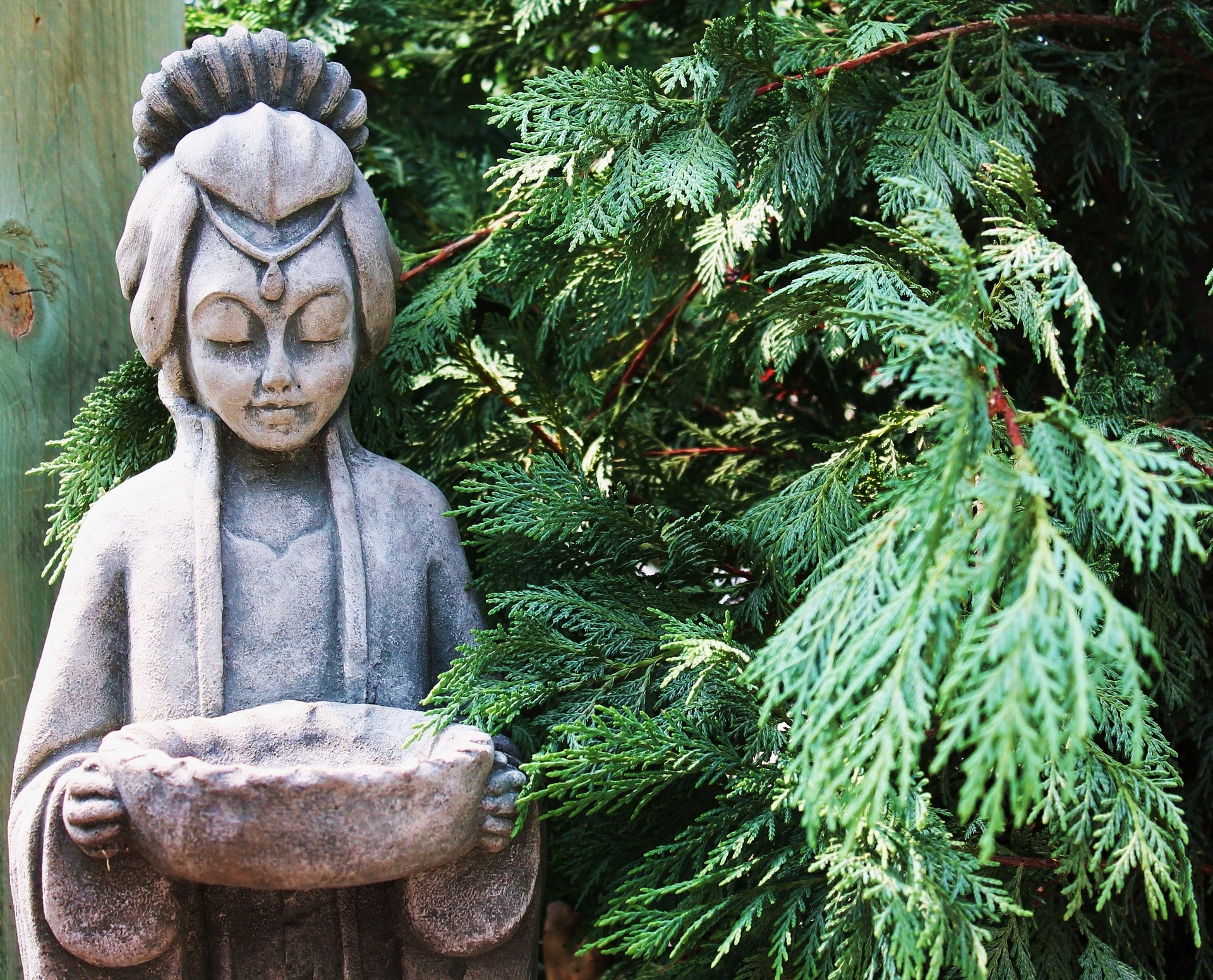
Whatever is sacred to you can move you toward your truest self. It can open you to discover your truest purpose. Entering into a sacred space allows you to stop distracting yourself with the stuff of life, and center on what is important, and what is healing.

I’ve found this to also be true of psychotherapy. A course of therapy with a gifted clinician is an absolutely sacred act. It is intimate. It is soul-baring. It is getting to the raw marrow of your life and learning how it made you, and also what you may become. A good therapist helps you activate your own capacity to heal.

Before I go further into this, please know if you have suffered any abuse while in therapy or with a counselor of any kind, this article will obviously not speak to you. I wish you deep healing from any situation of that sort. I am honoring good therapy and therapists, and hoping that those thinking about going to therapy will be encouraged.

Entering into a sacred state is, to me, what we do when we start a journey into psychotherapy. We come into presence with another entity whose sole purpose is to receive us unconditionally, look at our wounds with compassion, offer tools and comfort for healing, and encourage us to see ourselves as worthy and capable. In many ways, therapy is teaching us to see ourselves as God sees us, and use that vision to effect change.

Therapy, to me, can be likened to a sacred act in these ways: it requires a safe space, trust, ritual, and surrender.

“The soul is the sacred space where my head and heart meet, where God lives.” ~  Brene Brown

A good therapist creates a safe and sacred space where the client feels able to be open and honest. Your stories are safe with your therapist. (They are only required to share information if they determine you are a danger to yourself of someone else.) Stepping into your therapist’s office should feel like stepping into a sanctuary, where you are accepted exactly as you are. This feeling takes time to build between client and healer, but once established, it becomes a space with its own energy and dynamic that exists only between the two of you. Perhaps like your own private relationship with God, this safe space is where you find relief and release.

This safe space is not established without trust. Trust, of course, takes time, and is built by your therapist truly listening, remembering from session to session what you’re working on, and also being clear with boundaries for both of you. There must be a solid foundation of trust for real therapeutic work to take place. One of the ways therapists build trust is with almost a sacred contract, that during your time together they will be reverently dedicated to you and your healing. Like a prayer, you can lay your burdens down and trust you will be supported in your struggle.

“Ritual cuts through and operates on everything besides the ‘head’ level.” ~ Aiden Kelly

Therapy also has a ritual aspect to it that rings of something sacred. The same time, each week, is set apart for the specific activity of healing the self. New things are brought and discussed and discovered, but the time, the space, the people are the same and that sameness also builds the trust and feelings of safety so crucial to the ability to be open and honest with your therapist. Keeping the routine, trying to keep the appointment at the same time and day each week is an important ritual. Ritual helps us relax into the unknown by providing solid ground to rely on.

“There is no greater agony that bearing an untold story inside you.” ~ Maya Angelou

Finally, surrender is crucial, both in therapy and in the realm of the sacred. We know when life brings us to our knees in total surrender, that is where we often find God. We surrender to the process life has in store for us and give our troubles over to be healed, our weary souls to be soothed. So it is in therapy. We surrender the hidden, the unspeakable, the ugliest memories, the darkness. We speak it out loud so it may be heard and healed. By giving it over, and giving it a voice, it becomes manageable. But not until we surrender it into capable hands. Surrender brings relief.

If you’ve worked with a good therapist, I’m sure this resonates with you. If you’ve been thinking about entering therapy, that’s a good sign that you should explore it. And if it helps you to think of it as a sacred act you can do for yourself, to bring yourself closer to a healed vision you’re holding onto, then enter that sanctuary and exhale. Breathe out what you’ve been holding and find healing.

Victoria McGee

1/28/23

Sometimes the wall is the way

Photo by AD_Images on Pixabay

“Though we can’t always see it at the time, if we look upon events with some perspective, we see things always happen for our best interests. We are always being guided in a way better than we know ourselves.” ~ Swami Satchidananda

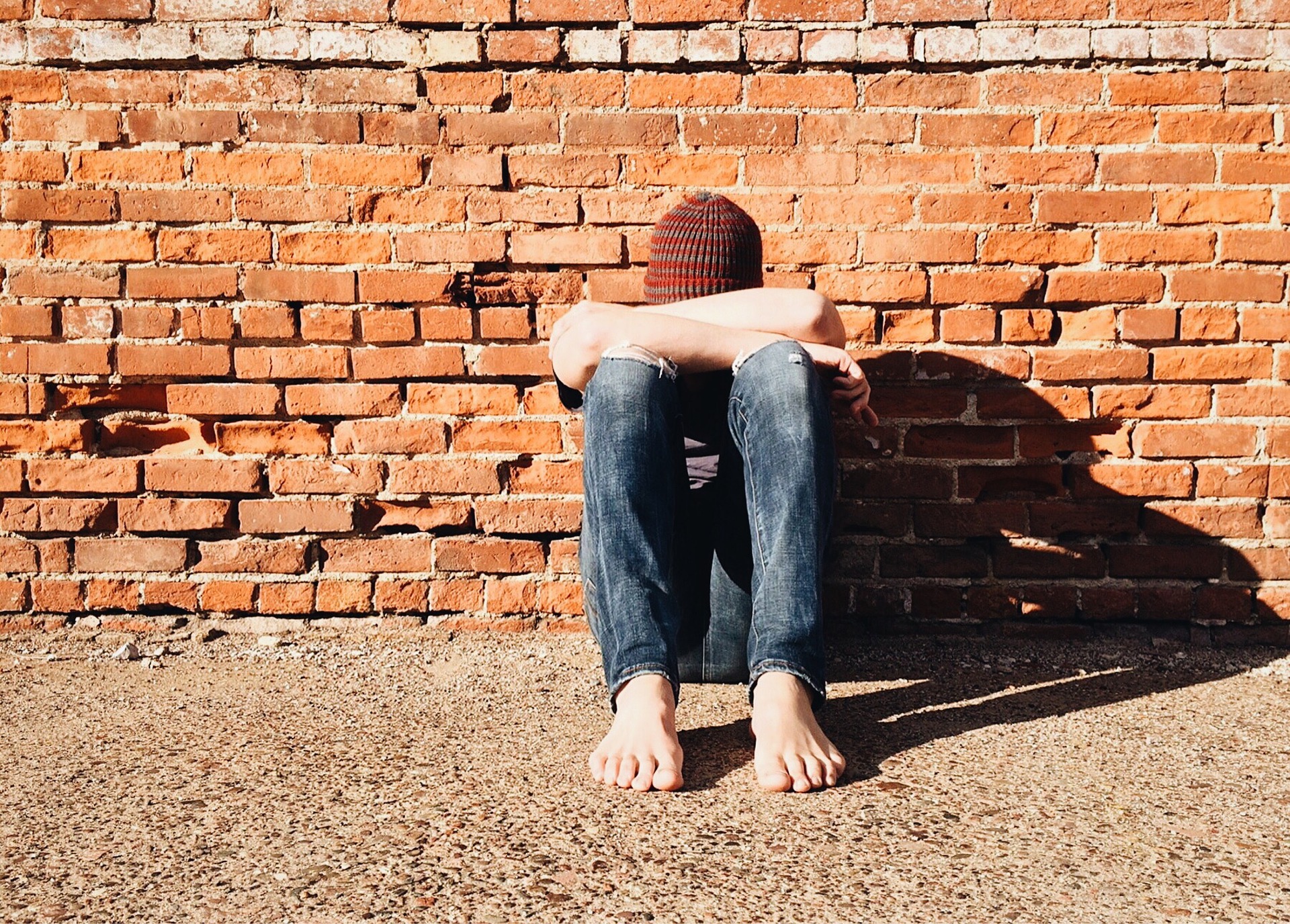
When I was much younger, there was a popular quote going around: “If you love something, set it free; if it comes back to you, it’s yours. If it doesn’t, it never was.” My friends and I applied this with great ferocity to relationships at the time, and it actually does make sense. Often, the tighter we try to hold onto something or someone, the more we push them away. The simple truth is we can never open the door to new love or new opportunities if we are still beating our head against a wall.

Since I have some years to look back on, I can see now that unequivocally, the times I felt blocked or stuck in life had to happen for me to finally seek a new way. The wall I felt up against was providing me a chance to choose differently, reframe my thoughts, and find a new path. But sometimes it took me SO LONG to give it up! I would try to get around, through, under, over, paint a door, blast a window, massage that damn wall for far too long before giving up. Long after the Magic 8 Ball said “Outlook not so good!” And if I’d had to admit it to myself, my gut knew the truth. My gut knew I had to let go of whatever this dream was, or the next one could not begin.

“We must be willing to let go of the life we planned so as to have the life that is waiting for us.” ~ Joseph Campbell

Even so, it’s all part of the process right? All those attempts to make things work taught me a lot about myself and others. It always taught me what I was and was not willing to compromise. It taught me to begin to trust myself and my ability to make decisions. And it ultimately taught me not to fight the wall quite as long the next time. Because the wall is always showing me the way.

“Be grateful that certain things didn’t work out. Sometimes you don’t even know what you’re being protected from or where you’re being guided to when you’re in the midst of chaos. That’s why you just have to trust that greater things are aligning for you. Let go gracefully.” ~ Idil Ahmed

In my life, I’ve seen this in work and in relationships. Years ago, feeling stuck as a school counselor I changed schools. Same job, different school, same wall. Plus, I felt really stuck because retirement was getting close and I had a pension and I’d paid into it and I thought I just had to stay there. But I lifted my eyes from the wall and threw myself on the mercy of the internet and other types of jobs. I ended up getting a job in Hawaii and moving and living there for four years, teaching speech and theatre, and was never happier with teaching than in my last years of it! My husband also benefited from this move and it enhanced our quality of life and relationship in untold ways! If I hadn’t been at the wall, I never would’ve found the way.

In relationships too, we often get to where we feel stuck. Feeling stuck and unhappy in my last marriage was a catalyst for my ex and I to get counseling, but ultimately decide to part.  I never would have had the opportunity to meet and marry my current husband of 20+ years if I had still been in a marriage that wasn’t right for me. My ex remarried and is also in a better fit for him. So again, the wall was the way for us to open to a better partner for each of us.  

“When suffering happens, it forces us to confront life in a different way than we normally do.” ~ Philip Yancey

Looking back at your life, notice those times when things just didn’t work out, no matter how hard you tried to make it work! Look at where you ended up after that. Maybe you’re not there yet, but can you see how the wall is providing the way by making you have to move on? Only in retrospect can we learn to trust this process. In looking back, I see that I never really gave up anything, except suffering. In giving up, I saw opportunities that I could not envision when I was  staring resentfully at the wall! Look up, turn around, give up, it’s ALL OK. A new path will appear. I promise.

“Learn to trust the journey, even when you do not understand it. Sometimes what you never wanted or expected turns out to be what you need.” ~ marcandangel

You Are Still Beloved

Victoria McGee

Oct. 26, 2021

Covid-19 and Collective Trauma

alone-2666433_1920

The paradox of trauma is that it has both the power to destroy and the power to transform and resurrect.” – Peter A. Levine

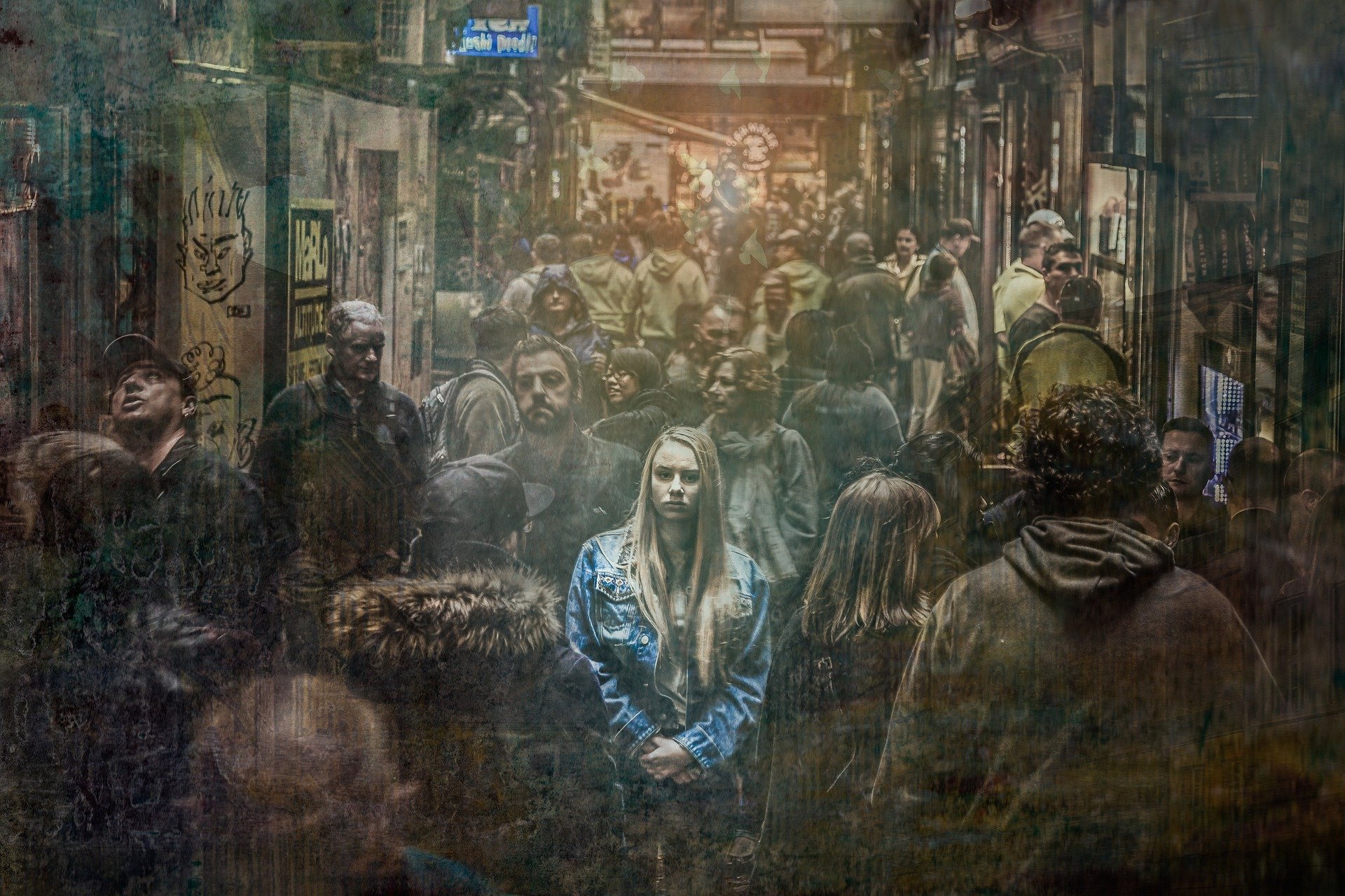
Lately, I’ve been conscious of trauma as it applies to society. Due to the outbreak of Covid-19, the world is currently in a state of collective trauma. Collective trauma refers to the psychological reactions to a traumatic event that can affect an entire society. For most of us, our daily way of life has drastically changed in the last few weeks. Freedoms and income have been reduced, and we are in a constant low-grade state of fear.

When a society experiences a collective trauma, such as 9/11, mass shootings, natural disasters, etc., our routines and relationships, those things that anchor us to our society are disrupted in such a way that it can leave us struggling to reclaim the purpose of our lives. In some ways, this can lead to a positive re-prioritizing of what is truly important. In other ways, it can leave us grasping for meaning and feeling hopeless.

For those of us already dealing with PTSD, this collective trauma can trigger other traumas to rise to the surface. We may find we are having trouble sleeping, nightmares, generalized anxiety, or hyper-vigilance may be rearing their heads again. Others may find they are having a surprisingly calm reaction to all this, as being in a trauma state is not strange to us, and we feel able to function in this state better than others.

Traumatic events can trigger past traumas, and who among us has not experienced some level of trauma? So we as a society have this huge collective trauma and our own historical traumas slamming us all at once. It’s a lot to deal with and process! And we’re confined either with partners, family, friends, or alone. Being alone can be most challenging as there is no distraction from your own thoughts.

If you’ve been feeling some of this, the dis-ease that has been engendered by this disease, there are practices you can undertake to ease the trauma response. We must regularly engage in self-care, find comfort in spiritual practice, stay connected to our tribe, and begin to reframe our relationship to historical trauma.

“Radical self-care is what we’ve been longing for, desperate for, our entire lives – friendship with our own hearts.” ~ Anne Lamott

Self-care is the best thing you can do for yourself right now. Stay centered and grounded as much as you can in whatever way works for you. Exercise, yoga, meditation, bubble baths, reading, and creative expression will connect you to your center. We cannot face this event coming from a place of scattered emotions and thoughts. Limit your news to a single check-in every day to keep from going down the black hole of information saturation. Go outside and find a place to connect to nature. None of these things cost money and can help you find some balance amidst the chaos.

If you have a spiritual practice, there is no better time to enhance and build upon it. Read, study, pray, and fill your soul with comfort, fill your mind with faith. Read the inspired words of those who have overcome darkness. Viktor Frankl, Elie Wiesel, and Mother Teresa, for example, are inspiring in their ability to hold onto faith in the midst of great suffering. Turn to your spiritual practice at this time to help you hold onto your faith, and to get a glimpse of the big picture. The world has survived many traumas and will survive this one as well.

“Between stimulus and response there is a space. In that space is our power to choose our response. In our response lies our growth and our freedom.” ~ Viktor E. Frankl

In these times, we must find a way to stay connected to our tribe. Facetime, Zoom, Marco Polo, social media and good old fashioned phone calls are our life-lines now. Resist the urge to isolate, to avoid the changes we’re all adjusting to, and reach out. Write letters, send cards, connect with people you’ve been meaning to re-connect with. You have time, and everyone needs to hear from the people they treasure.

Lastly, start to reframe your relationship to historical trauma. If we are here, we have survived trauma, personal, ancestral, historical, and collective. This means we are resilient and we have developed coping skills that not everyone has. We know how to self-calm, self-care, rise above, forgive, and even help others. Build on the resilience you’ve developed thus far! We are strong, flexible, wise souls and our energies are needed in this crisis.

               “We can make ourselves miserable or we can make ourselves strong.                    The amount of effort is the same.” – Pema Chodron

We are in a state of collective trauma. So let us attempt to join in collective healing, first by taking good care of ourselves, then by contributing to healing the energy of the planet. We all need the energies of compassion, positivity, balance, and calm right now. Let’s practice this in our daily lives and see what healers we are.

You are Still Beloved.

Victoria McGee

3/20/2020

Why We Sometimes Hold Onto Trauma

snake-3064737_1920

“The sooner we heal our traumas, the sooner we liberate ourselves from the people who hurt us. By hating them, we hold onto them. We cannot heal.” – Vironika Tugaleva

As I have studied, learned and written about healing trauma, I find I’m guilty of assuming that if you have been through trauma, you must want to heal. I forget that some souls perhaps don’t want to look at it, deal with it, or get better; at least, not now. I forget it until I’m face to face with such a person and I realize they are still holding onto a trauma from long ago – sometimes decades ago.

I used to wonder “What are they getting out of it? What’s the payoff?” Which sounds cold when you’re talking about a trauma survivor. But this is the thought I jump to when I see someone not making progress years after trauma. In reality, it’s far more complicated than my question, and of course, the reasons are as individual as we are. So in digging a little deeper, I found the reasons for holding onto trauma fall into three large categories (with many sub-categories).

The thought processes are basically the following:

Moving past trauma lets the person who caused it off the hook.

Moving past trauma means I can no longer be let off the hook.

Moving past trauma means I will have figure out who I am if I’m not suffering.

These are not light issues, not light thoughts. They are huge and overwhelming and no wonder people are often reluctant to confront these feelings! Let’s dive deeper.

“Moving past trauma lets the person who caused it off the hook.” This thought is often accompanied by other, related thoughts. If I forgive, then they’ll think they didn’t really hurt me. If I move past this and become stronger and more resilient, they’ll think their actions had no effect on me. If I forgive them, I’m weak.

The reality check to this thinking is part logic, part spirit. Logically, we have no idea what another person thinks of us, even they treat us poorly it’s more about them than what they think about us. And when we second-guess others’ thoughts and motivations, we give them even more power over us, thereby remaining stuck in the past. Spiritually, forgiving and moving on is something we do for ourselves, not for them. The longer we hold onto anger and withhold forgiveness, the longer we are in a state of inertia that we perpetuate. We don’t let anyone off the hook by moving past trauma – we break the chains that are keeping us in a dark place, so we can begin to climb to the light.

“Forgiveness is not always easy. At times it feels more painful than the wound we suffered, to forgive the one that inflicted it. And yet, there is no peace without forgiveness.” ~ Marianne Williamson

“Moving past trauma means I can no longer be let off the hook.” This second reason people might hold onto trauma is pretty insidious. Sadly, some of us find that in sharing our trauma we are seen as a victim, and people around us can start to let us off the hook. If we have certain unmet needs inside us, this can feel pretty good. It also gives us valid reasons for not fully dealing with people and situations in our life. We can start to use it as a way to avoid life, people, and in the worst cases, work and responsibility. I think all of us who have gone through trauma have been through phases of this. With therapy and hard work, we usually get past it.

The reality check to this thinking is realizing that again, you’re giving the trauma and whoever you associate with it, the power to keep you from fully engaging in life. Every time we use it as a way to avoid life, we empower the trauma, not ourselves. I’m not talking about the times we need to practice PTSD self-care and carve out safe, quiet time. If we’re honest with ourselves, we know the difference between self-care and avoidance. And if we’ve really gone down a dark path and avoid work and responsibilities, it will undoubtedly cause people who care for us to have to pick up the slack or bail us out.  It’s so important to take an honest look at how our healing impacts others, usually our family. If we have avoided therapy, or are playing on being a victim, not a survivor, we are denying our full and beautiful light from coming forth. Our inner wells of strength and faith are deep, so turn this fear over to God so we can truly conquer trauma, and not live it again every day.

We can make ourselves miserable or we can make ourselves strong. The amount of effort is the same.” ~ Pema Chodron

Moving past trauma means I will have to figure out who I am if I’m not suffering.” This thought manifests as many different thoughts that allow the trauma to define you. I’m a person who was profoundly hurt. Trauma is my identity, therefore in my pain I feel safe. We naturally do identify with being a victim of trauma initially. This should fade and assume a back-burner position in a healthy identity as we heal.

If it doesn’t, as a therapist I once knew said, “It doesn’t feel good, but it feels familiar.” We know how to play that part, so we play it because it’s comfortable, it’s easier, and we’re tired. But the danger, the reality check in this thinking, is that you’re once again giving your power to the trauma, not the recovery. You’re living a role, an identity, that was forced on you, not one you’ve chosen for yourself. Your true spirit, your true nature is on that back-burner. Invite it to come forward, try to open yourself to what the Universe has for you next. When you put a foot on this path of letting that old identity go, new possibilities will unfold!

Healing trauma is rich, unrelenting, exhausting, and rewarding. There are so many modalities now to deal with PTSD – therapy, EMDR, tapping, and of course, I believe, taking God with you every step of the way can only enhance your experience and restore your faith more quickly. So who could you become as you move past trauma?

We can only know when we begin to climb out of the quicksand. Staying stuck can only pull us down into depression, health issues, addictions and more. Healing is the process of getting un-stuck, of creating movement, of creating energy to move, of letting go.

“People have a hard time letting go of their suffering. Out of fear of the unknown, they prefer suffering that is familiar.” – Thich Nhat Hanh


WHEN YOU CAN’T FIX IT

workshop-2104445_1920

“Surrender – giving up what we think should be happening for what is actually happening.”          ~ McCall Erickson


I’ve been musing about this thought lately. There are times in life when tragedies happen, people you love are suffering and YOU CAN’T FIX IT! There’s nothing you can do. Nothing.

THEN WHAT DO WE DO?

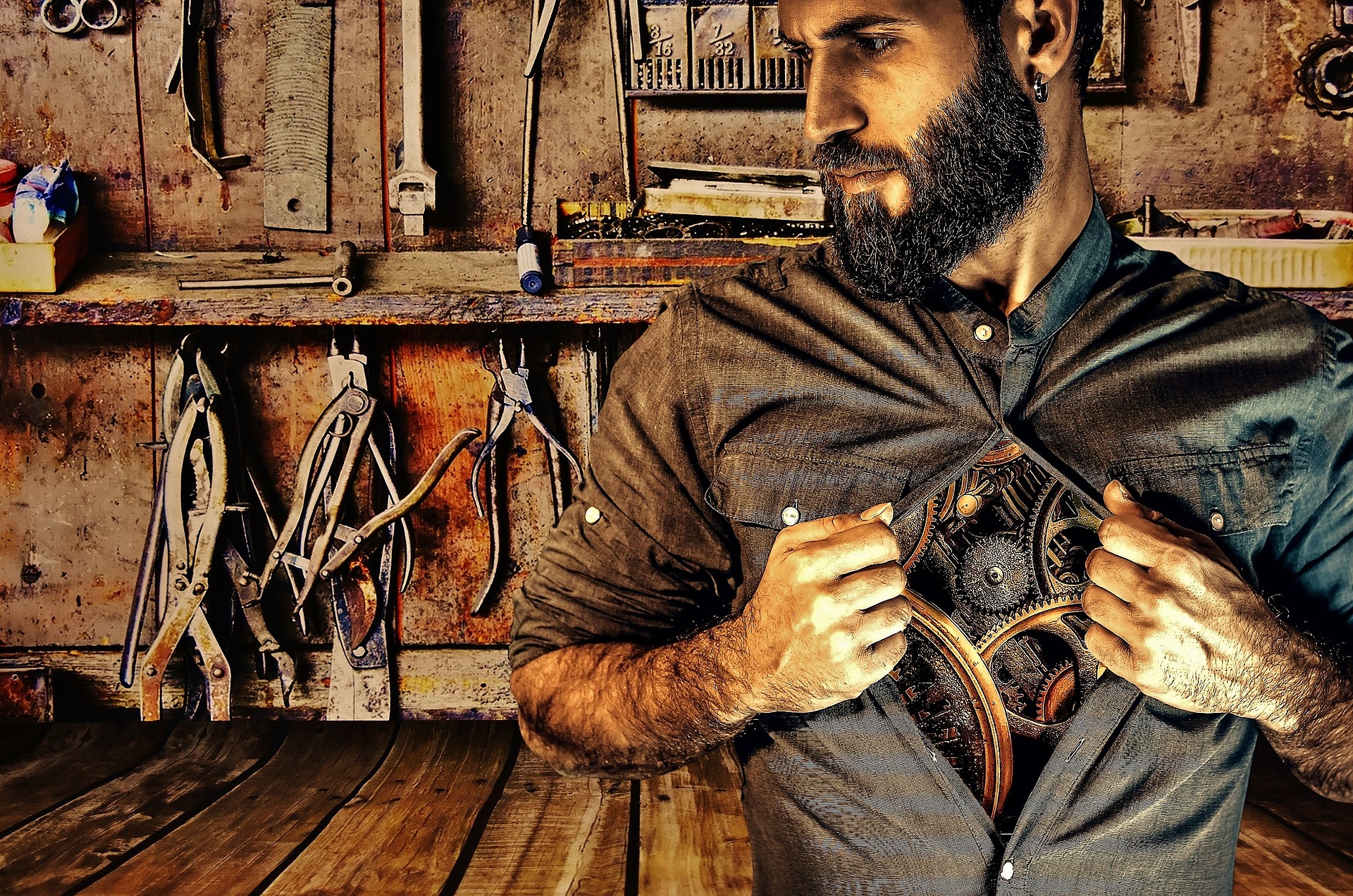
We are beings who love doing, aren’t we? We’re all raised with such focus put on our ability to be capable and fix things. Problem? I’ll solve it! Predicament? Here’s what to do! Something broke? I’ll fix it! So when life throws us situations that we can’t actually fix, what can we do?

I’ve been struggling with this recently, both with my father in hospice care and passing last year, and with someone dear to me being in a depression. They were in physical and mental states I could not fix. I felt completely helpless. It was not in my power to make these situations any different.

I felt everything within these life challenges – grief, despair, LOTS of anxiety, frustration, anger, and guilt. Surely there must be something I can do! Have you been there? I believe most of us have if we’ve lived very long at all.

So what DO we do when we can’t fix something? I’m no expert, but here are the things I found I could do.

Be present. Simply be with the person who needs help. This is a natural instinct. I remember observing children when my son was in pre-school, and if one of them was upset, several other children would move and simply sit by that child. Not saying anything, just letting him or her know they’re not alone. It was powerful and comforting. Mere presence is often underrated. In his last months, my father was so comforted by the presence of people he loved. We didn’t have to do anything but just be there. Some people who may be depressed or recovering from trauma will push us away, but we need to gently find ways to be present with them anyway. In my life, when I’ve tried to isolate, I am eternally grateful for those friends who showed up and didn’t let me drown in the abyss I was creating. And if you can’t be with someone in person, call them. It helps.


“I thought faith would say “I’ll take away the pain and discomfort.” But what it ended up saying was “I’ll sit with you in it.” ~ Brene Brown


Listen without judgment. Sometimes people need to speak their dark thoughts out loud. We all, at times, need that person who will listen without judgment. My father needed to talk about death. Others I’ve known needed to admit they’d thought of ending it all, or running away from their life. To sit with that, and provide space for that, is a gift. Have you felt that? The times when you just say something out loud, you are heard, and you feel a weight lift off your shoulders? And the scary thoughts become less scary. They’re more scary when we keep them in. Friends and family aren’t therapists, but to be able to listen and not judge, to just respond with “That must be painful to think about,” or “I’m sorry you’ve felt so desperate, but I’m here for you,” can provide much-needed comfort.

Allow.  Allow people to be where they need to be. Remembering that we all have a path to walk and we don’t really “get” our lessons until we walk that path is so important. And we see so clearly what others must do or how they should be to fix their issues, don’t we? But by being present and listening, we allow them the space, the glorious window through which they will ultimately see their own unique path themselves. Know they are on their path, and the path God has for them doesn’t need fixing.

Visualize.  If we believe we are spiritual beings having a human existence, then we must know the power of seeing the truth about a loved one. When those I love are in a crisis, I take time each day to visualize them as they truly are, a beautiful spiritual being. I see them whole, happy, healthy, or simply wrapped in the love of God. If you feel you need to do something for someone, this can be very powerful, especially if you don’t live close enough to be present in person.


“Prayer is where the action is.” ~ John Wesley


Pray.  Prayer is a very active response to feelings of helplessness. Gandhi said, “Prayer is not an old woman’s amusement. Properly understood and applied, it is the most potent instrument of action.” In many situations, it is imperative to pray and take action, but this is not always possible. Sometimes, all we can do is pray. And those are the times to remember that prayer is not passive, prayer is not a last resort, it is a powerful action we take as we turn a situation, a concern, a person, over to God. Praying for the best outcome for a person or situation, not what we think should happen, but for what God knows is best. Trust. Have faith. Surrender. Pray.

I’ve found in my life these five things help. Sometimes it’s just a thought, sometimes it’s me railing against what is, struggling to allow and visualize, but at least I feel like I’m doing something.  Maybe I can’t do anything physically, but I can spiritually. Maybe I can’t fix it and make it go away, but I can love it and ultimately find the gifts in it. I can try.

You Are Still Beloved.

Victoria McGee

December 5, 2018

Releasing Emotions in the Body

person-2244036_1920

“The body is the most reliable truth meter.”  ~ Adyashanti

Recently, I found myself in tears during a yoga class. It was near the end, and as I tried to keep my face down and roll up my mat, I felt the teacher come and stand near me, lending supportive energy as she chatted with another student. I knew she had noticed my upset and probably recognized it for what it was – a healthy release!

As the teacher had recently explained, certain poses, especially hip openers, can release emotions we’ve been holding onto. Fear, trauma, grief, anxiety, depression – all these murky feelings get stuffed down from our eyes when we do not cry, our throats when we do not scream, our hearts when they are broken, and settle in our hips.

That day, I was overwhelmed with grief about my father, who passed nine months ago. So although I understand the stages of grief will go on for a while, and the feelings of sadness were not daily anymore, my body released more grief in that class, and I felt better because of it.

Yoga teachers and massage therapists will tell you they see this all the time. Our bodies are silos, storing all of our past experiences and present worries. When we are able to find ways to release, in supportive environments, we let go of some of that stored “grain.” Combining physical attunement with a more neutral, relaxed mental state allows these emotions to be liberated.

“If we do not work on all three levels – body, feeling, mind – the symptoms of our distress will keep returning, as the body goes on repeating the story stored in its cells until it is finally listened to and understood.” ~ Alice Miller

In this quote, Alice Miller is expressing what science is coming to understand. Peter Levine, Ph.D. (In An Unspoken Voice), and Bessel Van Der Kolk, M.D. (The Body Keeps the Score) research, explore and write about the evidence that much of our trauma is held in our bodies, and with this knowledge lies hope for releasing it as well!   

Just think about how much we hold in. We are taught from a young age to hold. We hold onto uncomfortable emotions caused by abuses and traumas we suffer as children, showing the world a face that says everything is okay. We hold it together as we grow, facing cruelty at school, disappointments and broken hearts. We hold our breath, sometimes not daring to breathe deeply out of fear or sorrow, sometimes not breathing at all if the terror or grief is too great. We hold still, not wanting to call attention to what we see is our broken self. We hold back tears – so many tears that we are certain we would drown those around us if we let them go.

A law of physics would tell us that this holding has to release at some point. And we see it around us in all its unhealthy forms – illness (turning it inward) and violence (turning outward). The challenge then, for us, is to find healthy ways to release it from our physical being.

Yoga, massage, reiki, and other forms of healing are effective but can be costly. You can also find release in a soothing bath, an intense workout, vigorous dancing, tactile art, or a project that requires physical exertion. There are many ways to loosen what you are holding onto. Find what feels right for you, and know that different kinds of emotions may need different kinds of release.

“The cure for the pain is in the pain.” ~ Rumi

When it comes to releasing what we are holding onto, we must also allow ourselves to be held where it is safe. If you have a supportive partner, let that person hold you while you cry and release. Being held by the right person for the right purpose is profoundly healing.

And most importantly, in your own private space allow yourself to be held in God’s love, wrapped up in Divine comfort, and sink down into that place where only Love exists, and let go. God will hold you, God will hold space with you for all those feelings and God will eventually help you up.

“Love falls to earth, rises from the ground, pools around the afflicted. Love pulls people back to their feet. Bodies and souls are fed. Bones and lives heal. New blades of grass grown from charred soil. The sun rises.” ~ Anne Lamott

You are Still Beloved.

Victoria McGee

June 29, 2018

Radical Acceptance

barbed-wire-114363_1280

                       “Radical acceptance is the willingness to experience ourselves                                 and our lives as it is.” ~ Tara Brach

In searching for images and quotes for this blog, I recently came across this photo – barbed wire with a tree growing around it. I resonated with it immediately. Because the sufferings of life become part of us, don’t they? Our pain, our trauma, our PTSD, our grief – healing doesn’t mean it goes away, it means we learn how to grow with it and in spite of it.

Like the tree, we are impelled to grow. The tree continues to grow in spite of everything that happens to it, short of being cut down. So do we, hopefully, continue to grow in spite of what happens to us. We have a choice, of course. We can stop where the barbed wire entered our life, we can remain stuck there, allowing it to twist our trunk and ignore or delay healing. Or we can accept that barbed wire, feel the full effects of it, and figure out how the very act of acceptance helps us grow stronger.

“Pain is inevitable. Suffering is optional.” ~ Haruki Murakami

Trees, especially old trees, are just so solid, so fierce and stately. If I think of myself as a tree, I see all the elements of growth that I also need.

Deep roots: I need the deep roots of grounding myself daily. Connecting myself to the earth, to the solid ground under me, so my mind doesn’t take off running to scary places. When I place myself in a grounded state, I am tree-like. I can bend with the wind without losing my footing. I stand firmly within myself. I feel the solid support of God and Mother Earth holding me up and anchoring me down. Fierce. Stately.

Water: I need nourishment to those roots so I can grow. Nourishment comes in the form of self-care, love, friends, and daily connection to the Divine through prayer and meditation. When I “water” myself, I grow, I heal. It seeps up through every cell and connects me to myself, to others, and to God. I am nourished. I am fed.

Air: Did you know there’s a photosynthesis of the soul? We breathe in faith, (you sometimes can’t see it, but breathe it in anyway), and breathe out doubt and fear. God is the oxygen we need to heal and to grow. Breathe in Divine air, breathe out the toxins we keep inside. And like carbon dioxide, God will take those toxins and transform them into more oxygen, more healing. We must keep breathing and breathe deeply!

Light: The tree needs the sun as we need God’s light. But rather than shining down on us, we find it by looking within. When we ignite that light within, it warms us and puts a balm on our wounds. When we ignite that light within, it speeds us on our healing path. Miraculously, when we ignite that light within, it shines out and warms those around us.

New Growth: Each time I reach a new place of healing, a new level of forgiveness, I feel a new branch grow. I feel leaves sprouting forth. As I encompass, envelop and send love to the barbed wire, I swell toward the sky, branches reaching up, drinking in the sun, arms open to receive God’s gifts. When we invite God on our healing path, new growth is inevitable, and we expand in our own individual way because of the wound, because of the barbed wire. Fierce. Stately.

“When we become aware that we do not have to escape our pains, but that we can mobilize them into a common search for life, those very pains are transformed from expressions of despair into signs of hope.” ~ Henri Nouwen

So let’s be this tree today. Let’s use and honor these elements of deep roots, water, air, light and new growth. Wounded with barbed wire, but accepting that it’s part of us.

It’s a thorny pain, and sometimes it still hurts, but it’s part of our path and the choices we have and will make. I own this barbed wire. I am who I am because of it, and for that I am grateful. It has made me turn to God over and over, grow in faith and forgiveness, and it has made me fierce and stately.

You are Still Beloved.

Victoria McGee

04/28/2018

Honor Your Hard Healing Work


statue-1010531_1920

“As long as you have certain desires about how it ought to be, you can’t see how it is.”                                                                                    ~ Ram Dass

“Hey, why aren’t you all the way healed yet? Aren’t you trying? What? You’re not done? Well, when will you be done? You don’t know? Why not? How long will this take? I need to get on with things, and this is really holding me back.”

Sound familiar? This inner critic, this part of our minds that keeps us from being happy needs to be smacked down sometimes. Well, not sometimes, pretty often actually. Okay daily, maybe hourly. Because it stands between us and happiness. It stands between us and peace of mind. It stands between us and God.

So today, I invite you to take a rest from your inner critic and honor the hard healing work you have done! Seriously, give yourself the gift of acknowledging how far you have come in healing from trauma. We hardly ever do this, do we? We work so hard, we pray, we heal, we take our baby steps, sometimes we have a huge breakthrough, and we just… keep going. Pause and look back at what you have done to get to this place in your healing.

Just as no one can walk this path for you, no one can acknowledge the work you’ve done either. Only you know the breathing, the reading, the therapy, the nights of constant praying, of turning it over to God again and again and again. Only you know – and God. I think the Divine is always looking for opportunities for us to heal more and to acknowledge us when we do. I can look back on my life and so clearly see times when the opportunities to heal would lessen so I could catch my breath and just live. Similarly, I clearly see the times when the opportunities intensified because I had to heal something deeper to move forward. God knows our needs, and I feel God celebrates our progress, not only for our own healing, but the healing of the world.

“We delight in the beauty of the butterfly, but rarely admit the changes it has gone through to achieve that beauty.” ~ Maya Angelou

It takes really hard work to become a butterfly, and what do we do when we see one? We often stop, reverently, to admire it. It’s one of the few absolute transformations in nature we have probably seen in person. So we know that dark period in the cocoon can be long, but that so much is happening inside that we can’t see! Miracles are happening. So we stop and witness to it.

Do that for yourself. You are nothing less than a butterfly, and even if you’re still in your cocoon, not ready to come out – witness and have reverence for how far you’ve come. No one will do it for you, and it’s so crucial we do this for ourselves!

“We acknowledge our pain, not to get more depressed or to drown in the suffering, but to see the truth of our experience.” ~ Sharon Salzberg

What is the truth of our experience? Take stock today of your progress. Have you slept through the night? Decreased flashbacks? Have you asked for help in a healthy way? Have you surrounded yourself with supportive friends? Can you close your eyes and meditate? Can you stay alone? Do you feel closer to God? These are all wins and we deserve to pat ourselves on the back.

Our mind, body and spirit is running a marathon of healing. It’s a long race, so we must pace ourselves and recognize our immense progress along the way! There will always be more to do, more to heal, but just for today, acknowledge your own dedication and progress in healing. Rest in God’s arms, and join Him in being proud of you. Can I get an amen?

“Lovng ourselves through the process of owning our own story is the bravest thing we’ll ever do.” ~ Brene Brown

You are Still Beloved.

Victoria McGee

March 5, 2018